Jewels Is Forever 

Reviews
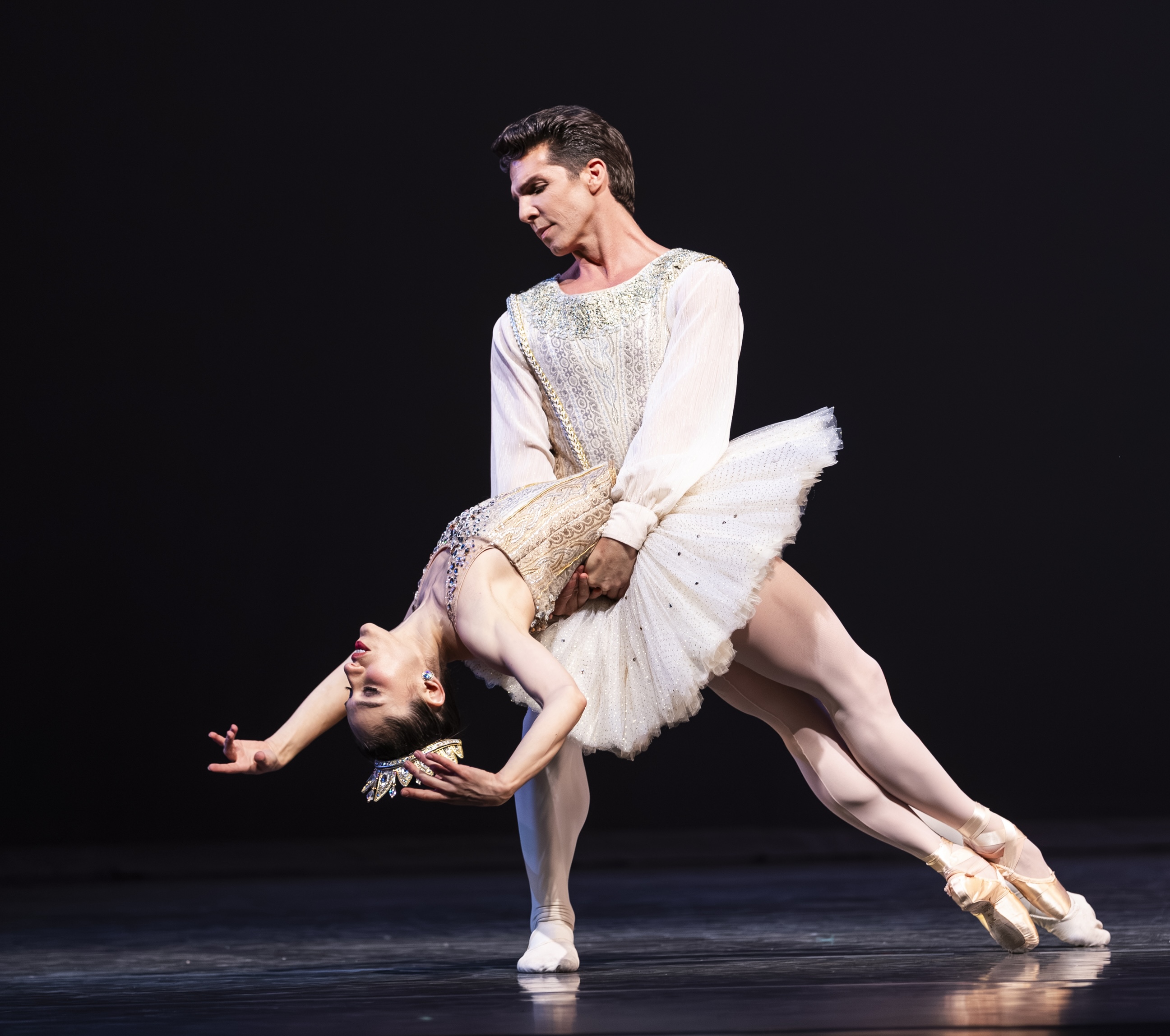
If you would like to enjoy the glory and grandeur of life, then go to the ballet this weekend. Photo Credit: Angela Sterling

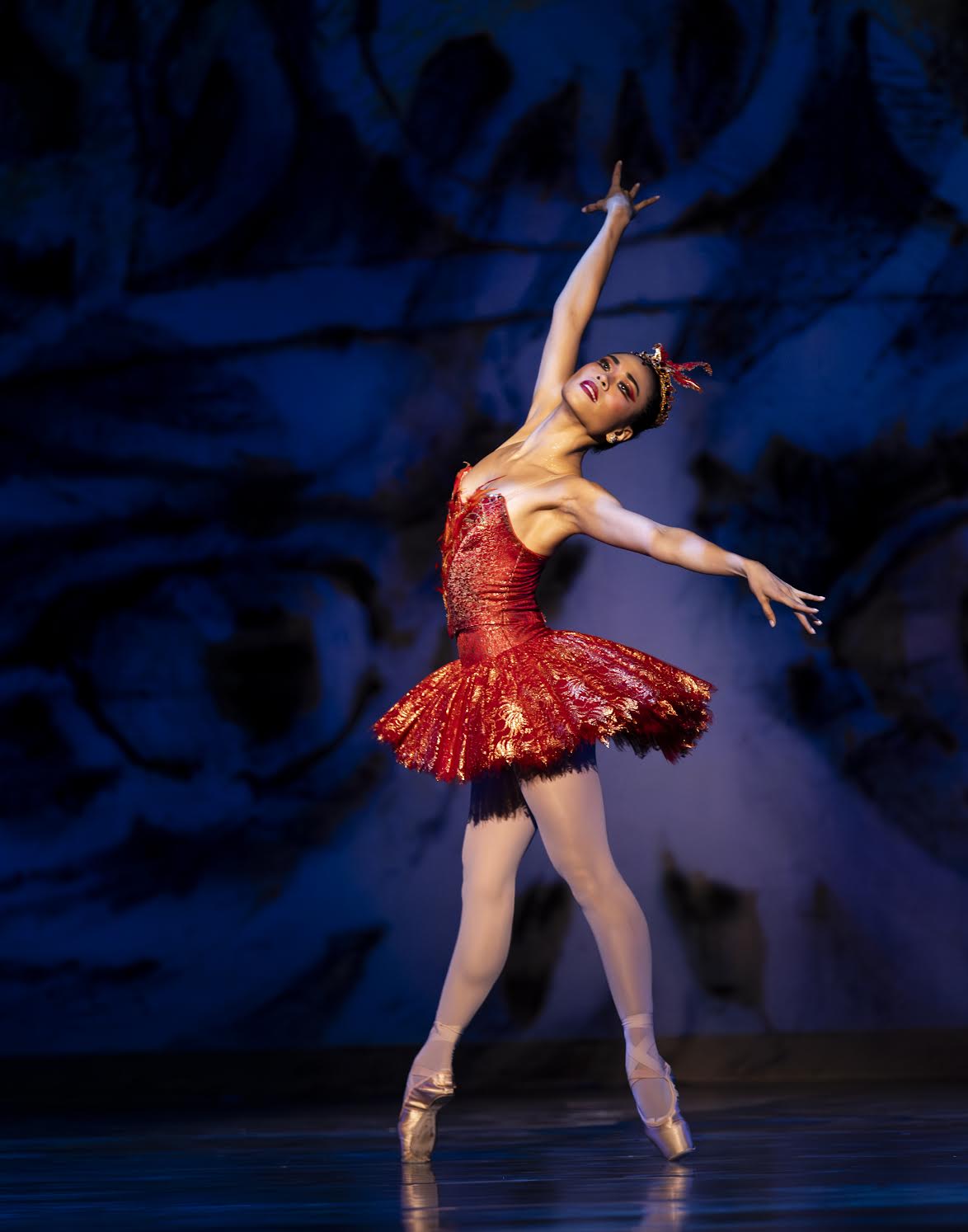
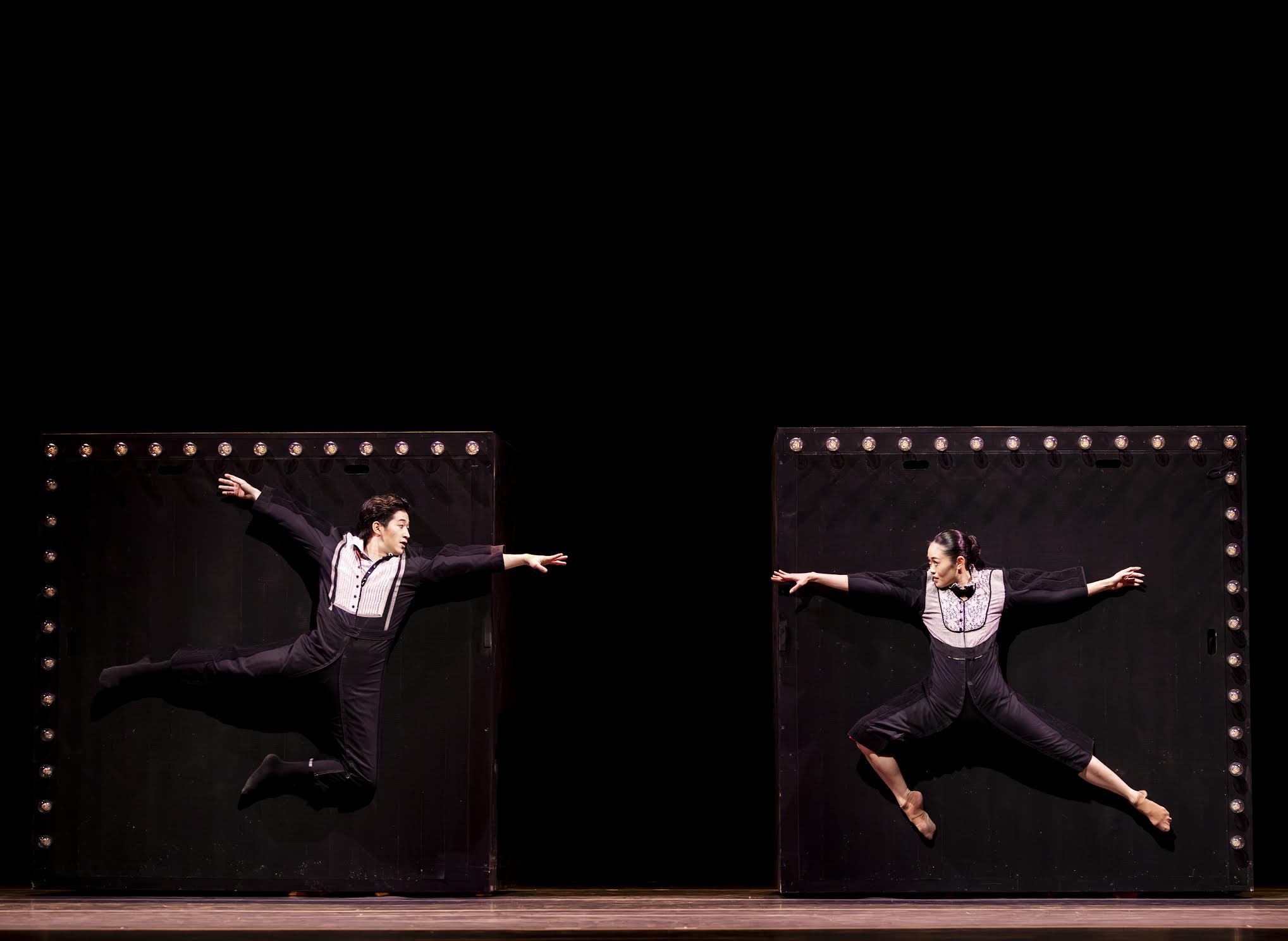
Pacific Northwest Ballet’s production of George Balanchine’s Jewels, which runs through October 5 at McCaw Hall, kicks off the company’s 2025-26 season with a dazzling modernist masterpiece that feels kind of crazy to consider in this moment. 

This week the president signed an executive order criminalizing anyone who disagrees with him, authorized troop deployments to Portland, and drew coverage for massive financial corruption scandals. As billionaires sell off what’s left of our democracy to enrich themselves and other tyrants, PNB Artistic Director Peter Boal wants us to watch dancers turn into (truly impeccable) fancy necklaces (beautifully designed by Jérôme Kaplan) and entertain little romances onstage (that actually cleverly subvert normie gender roles, as I explain here).  

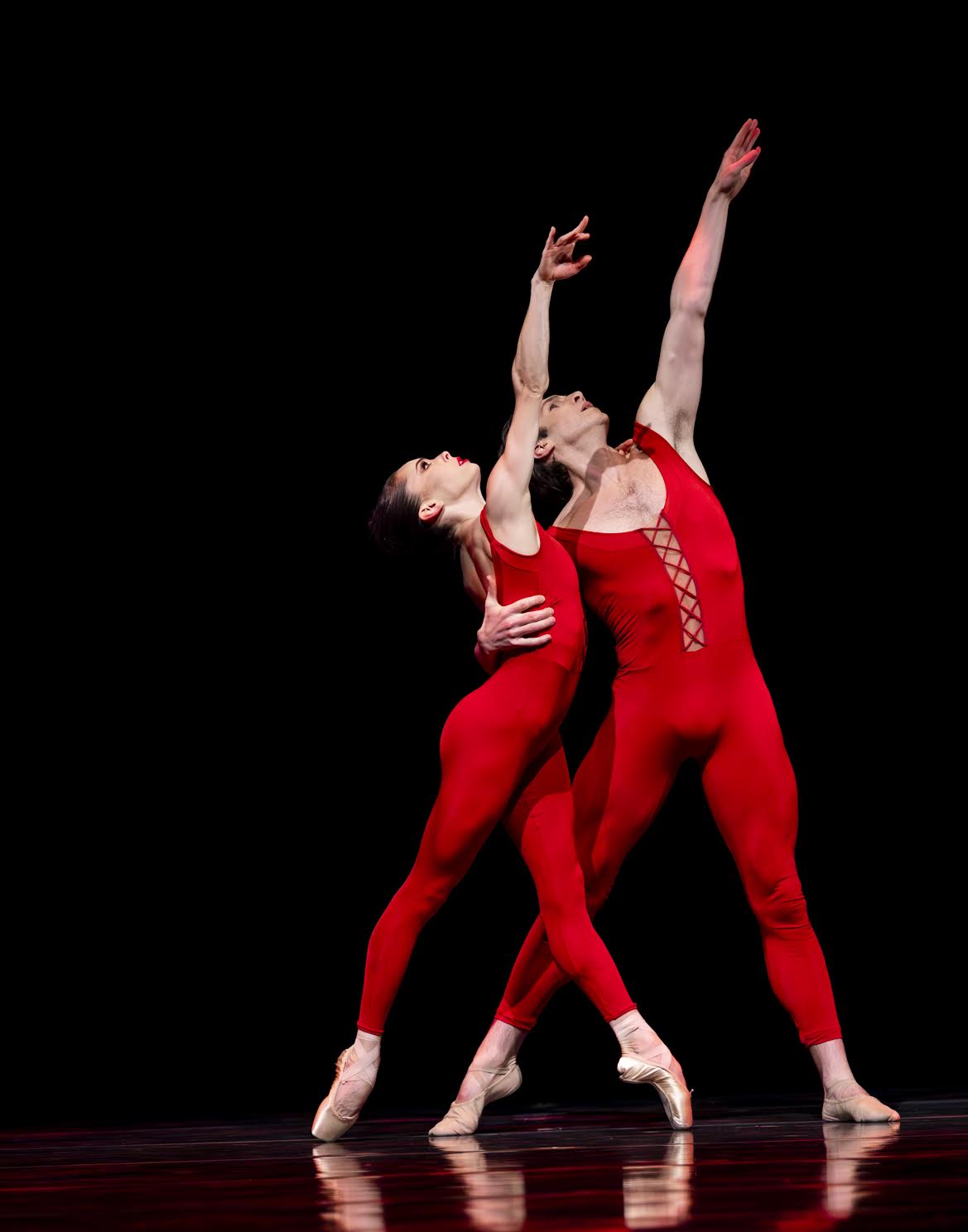
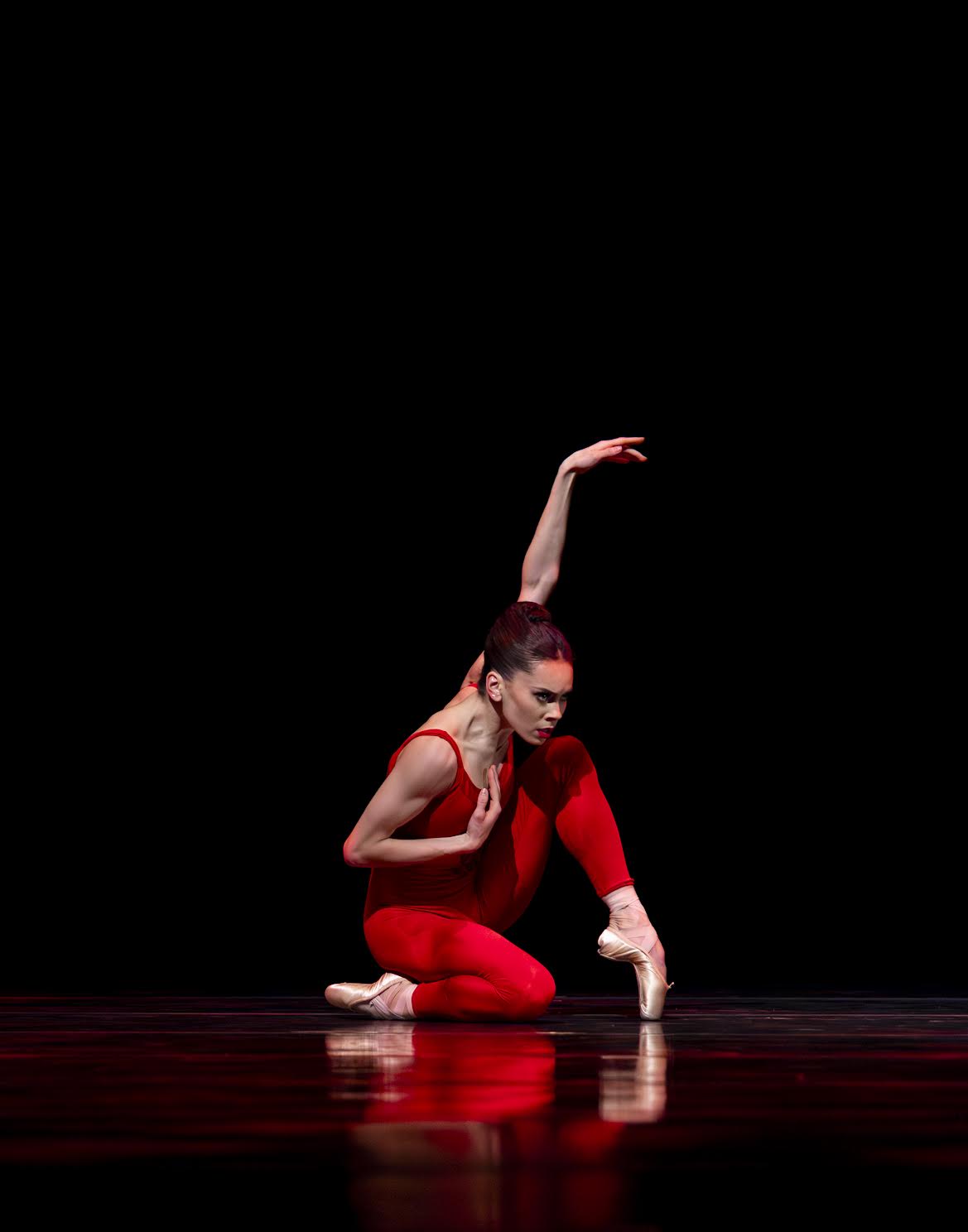
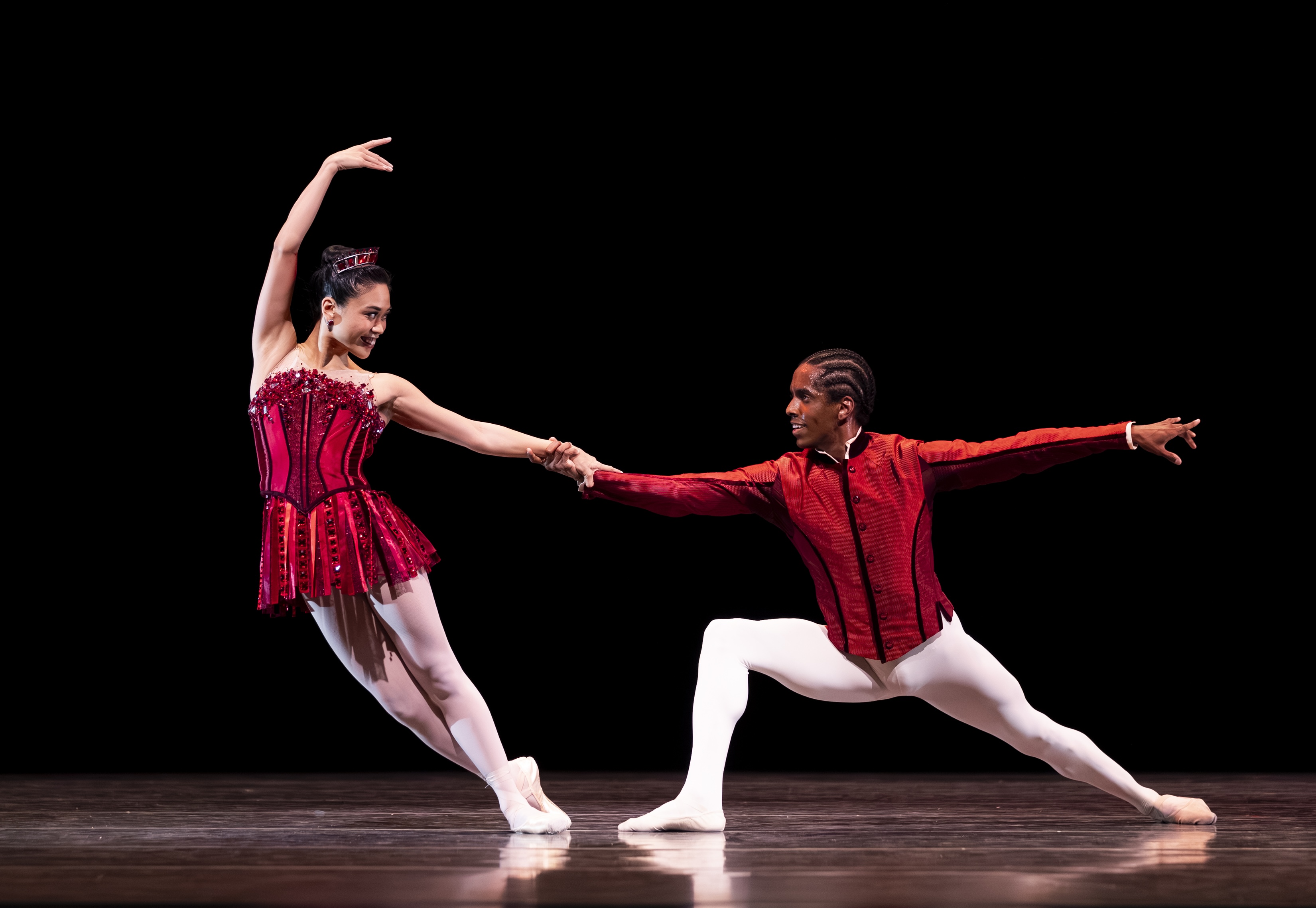
A less glib summary of the ballet’s content makes the show seem even crazier to consider. The evening-length jewel case opens with Emeralds, an ode to French classical ballet that comes complete with lots of courtly movement, long, flowy tutus, and dreamy, impressionistic music from Gabriel Fauré. Rubies turns up the energy and brings us back to America’s roaring ‘20s with its vibrant, jazzy dance numbers that step-ball-change all over Igor Stravinsky’s Capriccio. For the grand finale, Diamonds transports us to imperial Russia. Twelve chandeliers illuminate glittering ballerinas doing swarm arms as they glide regally across the stage to Tchaikovsky’s Symphony No. 3 in D major, an expansive piece that juxtaposes Romantic melodies with all the stately grandeur of St. Petersburg. 

In this moment of particularly unrestrained American imperialism, why are we looking back longingly to an era when the French monarchy arguably used ballet as a distraction to shore up its own power, back to the US’s Gilded Age, and back to pre-revolutionary Russia? 

Hang it in the Louvre, folks. Or, I guess, in the Tretyakov. Photo Credit: Angela Sterling

Similarly pedantic and moralizing audience members may have raised these very same questions back in April of 1967, when legendary choreographer George Balanchine debuted this show with the New York City Ballet at the New York State Theater (which is now the David H. Koch Theater) just days after hundreds of demonstrators burned their draft cards down the street in Central Park during mass anti-war protests. For those sorts of audience members — those who can’t quite shake off the morning news before entering the theater — I encourage you to dig a little deeper. 

The genius of Jewels lies in Balanchine’s choice to ditch the naive narratives of those older eras while retaining and updating their traditional movements and styles. Though narrative vignettes do emerge from the steps occasionally, Balanchine’s approach mostly just gives us the stones, and we provide the stories that gather around them. 

When Boal last ran this piece back in 2017, for instance, I obsessed over the ballet’s symmetrical patterns. During this go-round, I picked up on the play between permanence and impermanence, a paradoxical quality shared by ballet and jewels alike. A diamond is forever, but shine a klieg light on one and watch it constantly shimmer and change. Similarly, a performance only lasts for one night, but its movements are grounded in long and definable dance traditions. Small moments and structural facets of the Jewels, such as the clock-hand movements in Emeralds, the fact that Balanchine reportedly created most of these lead roles to show off his particular group of dancers in that moment, and the very personal selection of dance schools all gesture toward his obsession with timelines and timelessness in this piece. 

All that blathering aside, Jewels does more or less serve as a kind of skill test for a ballet company, and PNB’s current crop passed with flying colors. 

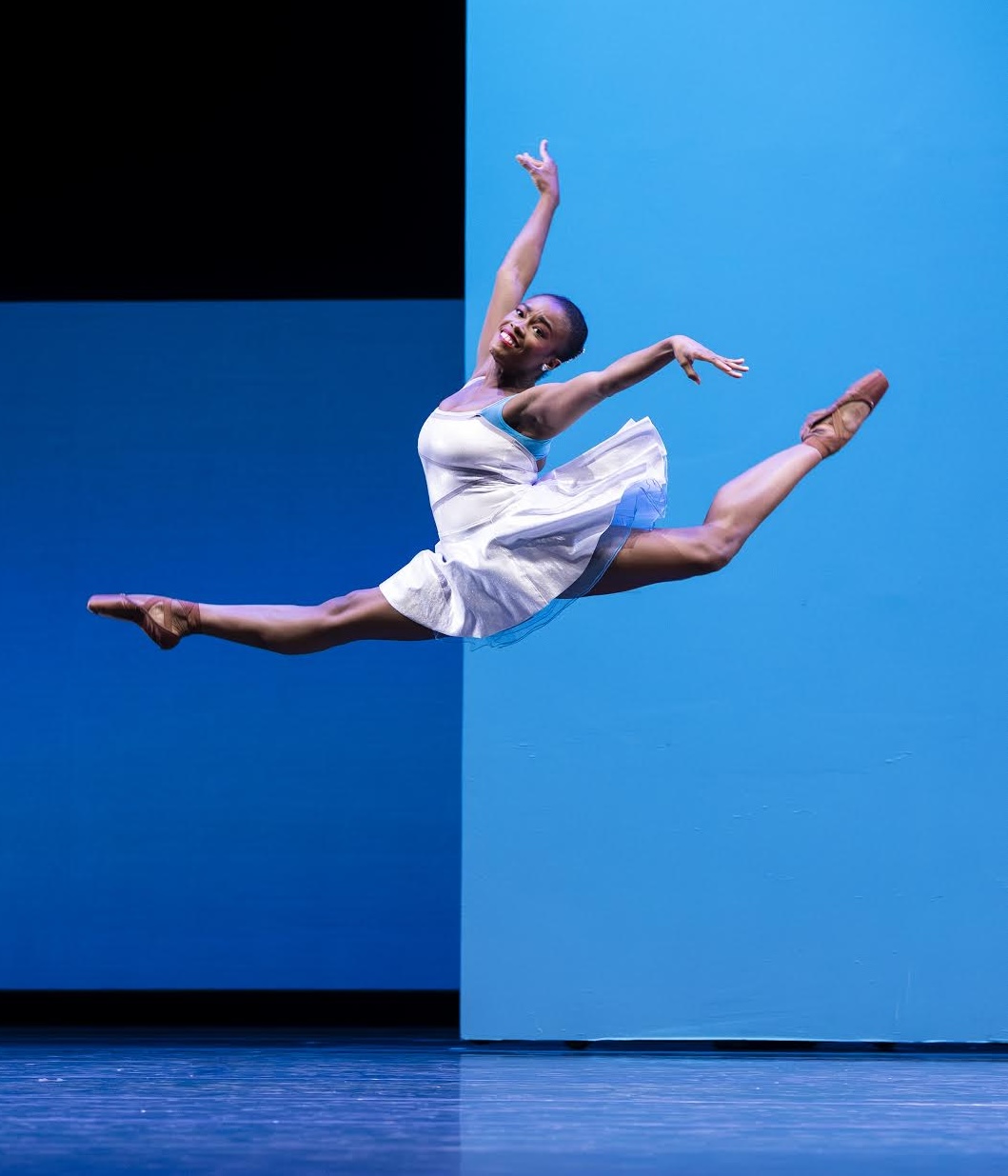
Opening night blessed soloist Amanda Morgan with access to the full spectrum of her powers. She floated across the stage in her turns during the second, more introspective solo in Emeralds, and she shimmered with pluck and verve in Rubies.

Soloist Amanda Morgan, killing ’em softly. Photo credit: Angela Sterling

Meanwhile, on Saturday, soloist Madison Rayn Abeo turned in a casually flawless debut as the center-cut emerald. She expressed serenity and restraint without coming off like Glenda the Good Witch, held the long arm and leg extensions like a champ, and nailed the little coquettish Frenchy hand gestures sprinkled throughout the choreography. Solid work. None of that is to diminish principal Elizabeth Murphy’s opening night performance, which excelled in its lyricism and control, but that’s no surprise. 

What was a surprise was corps de ballet dancer Dylan Calahan impressing the crowd with quick spins, big jumps, and a commanding stage presence on Saturday during his trio with Melisa Guilliams and Juliet Prine. The program says he’s been working since 2022, but I feel like I’ve never really seen him — now I’ll be keeping an eye out. 

Cannot stress enough how mesmerizing Kaplan’s costumes are, especially under the command of principal dancer Elizabeth Murphy. Photo credit: Angela Sterling

The Friday and Saturday casts offered two different takes on all the jazzy dancing in Rubies. Principals Jonathan Batista and Angelica Generosa cut a rug. They skipped across the stage at speed, laughing and tapping and clapping, the chemistry between them popping and sizzling. On Saturday, principal dancer Sarah-Gabrielle Ryan and corps de ballet dancer Noah Martzall projected a similar level of playfulness, but their syncopations seemed softer and smoother, their energy a little more contained. 

But without question, the Rubies MVP of the weekend goes to corps de ballet dancer Ashton Edwards, who was the picture of precision as the sultry soloist. Lots of glam, lots of attitude; all while executing some insane leg extensions and an exquisitely timed courtship with four men. The audience went nuts every time they stomped and shook and shimmied onstage, and rightfully so. 

Principals Angelica Generosa and Jonathan Batista, relying on some good ol’ fashioned centrifugal force. Photo credit: Angela Sterling.

As with Rubies, so with Diamonds — the Friday and Saturday casts allow you to choose your own adventure. Tchaikovsky’s symphony balances stately brass with long, yearning, romantic melodies. Principal Leta Biasucci’s deeply musical, impassioned movement picked up on the symphony’s latter tendency, whereas Elizabeth Murphy’s statuesque poise and power picked up on the former. 

I will say that Biasucci was on another fucking level on opening night, though. Of all the dancers on both nights, she seemed the most in tune with the orchestra, holding a pose longer or spiking it depending on the sounds drifting out of the pit. 

Principal Lucien Postlewaite, who will retire at the end of the year, and Benjamin Freemantle, who joined PNB as a guest for this show, grounded Diamonds with gravitas. Postlewaite effortlessly lifted Biasucci, spun with speed, and played the prince of the mother country with aplomb. Sometimes mercenaries can have trouble fitting in, but Freemantle seamlessly integrated. His clean lines and regal demeanor can come back any time he wants.

In short, Jewels is just gorgeous, and you should go see it. And you should blow a bunch of money while you’re there, especially now, because everyone who makes the ballet run could use some extra cash, as evidenced by the union workers standing outside McCaw Hall over the weekend fighting for a fair contract. 

Members of IATSE Local 15, which represents the interests of the stagehands and theater techs responsible for every object that moves or blinks or squeaks onstage, are working on an expired contract. According to a petition they’re passing around, union members say PNB management proposed “unacceptable rollbacks” at the table, including “cutting back overtime calculations, cutting back our jurisdiction, reducing our safety standards, and proposing substandard wages.” They’re calling for management to withdraw those proposals and return to the table to bargain in good faith. 

In an email, a spokesperson for PNB says, “We have worked diligently on a contract that matches how work has been done by union stagehands at PNB for decades and have not asked IATSE to give up anything in the process. Local 15 has only made gains in this negotiation and we are struggling to understand their refusal to take these significant wins that would provide them with a contract that stands out among peer organizations for the benefits it provides.” 

I’m a union man now (I work as a Communications Director at UFCW 3000), so I say let’s give management a little more confidence in their coin purse by filling the auditorium this weekend, and let’s stand with workers as they fight for a good contract.

Dancing at the End of the World 

Uncategorized
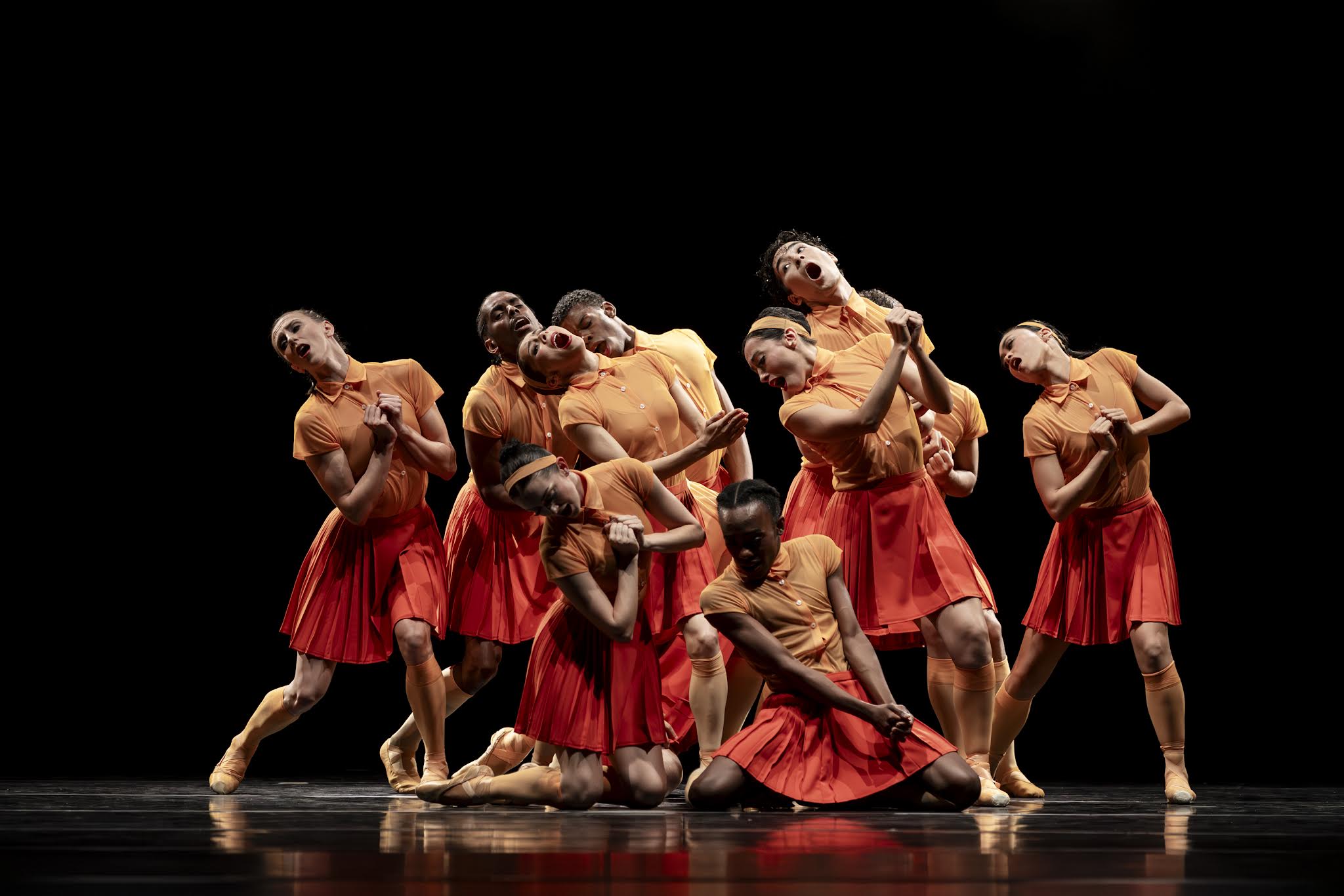
Pacific Northwest Ballet company dancers in the world premiere of Rena Butler’s Cracks, a darkly funny ballet that wears its profundities lightly. Photo: Angela Sterling

The three horsemen of summer — joy, warmth, and nostalgia — drive Pacific Northwest Ballet’s Director’s Choice, a handful of ballets specially chosen by PNB Artistic Director Peter Boal to close out the company’s 52nd season, which runs through June 8.

But for all their glitter and gold, the three ballets that compose the program also carry with them an undercurrent of DOOM and UNRESTING DEATH. Far from feeling overbearing, that tonal contrast chimes well with the current seasonal and political climate we’re all experiencing in this corner of the country. Though it’s nice that the light is returning once again to our dark village, it also allows us to see that the last six months were not some weird nightmare. We really are in the middle of a hostile government takeover, and the institutions we’ve shored against our ruin are crumbling.

But they’re not ruins yet! And I don’t mean to go too far down That Road. I only mean to say that the program’s undercurrent of DOOM adds necessary heft to its summer-nights vibe, prompting us to peer beyond the headlines and to ask ourselves deeper questions, such as: What’s it like to be entering the world of ballet in this moment of great uncertainty? What’s it like to be observing this art in the 21st century? Incidentally, did anyone stop to watch the band ~play on~ as the Titanic sank?? And then to answer ourselves with the special intensity that follows a pint of prosecco at intermission: terrifying and wonderful, the same as it ever was, and who wouldn’t?! 

Pacific Northwest Ballet corps de ballet dancer Noah Martzall and soloist Madison Rayn Abeo in Kiyon Ross’s …throes of increasing wonder. Photo: Angela Sterling

Speaking of wonder, PNB Associate Artistic Director Kiyon Ross’s …throes of increasing wonder kicked off opening night with a blast of electric energy. In this ballet, half the company’s dancers streak across the stage in sliver and neon outfits that share a colorway with any given pair of LA Gear sneakers circa 1988. 

The first 10 minutes of this piece feature a lot of unbridled, syncopated joy as dancers seem to race to keep up with composer Cristina Spinei’s manic violins. In all the hubub, soloist Clara Ruf Maldonado turned in the first of her several incredible performances Friday evening — she was pure satin and steel. Not to be outdone, corps de ballet dancers Juliet Prine and Destiny Wimpye demonstrated their ability to leap like gazelles. And corps de ballet dancer Zsilas Michael Hughes spun and jumped onstage for all of 20 seconds, nearly stealing the whole show with the sheer power of their magnetism. 

Corps de ballet dancer Destiny Wimpye can jump really high. Photo: Angela Sterling

I say “nearly” stole the show because that distinction belongs to principals Jonathan Batista and Angelica Generosa. Once the violins slowed to a sob and a deep purple light flooded the stage, Generosa more or less beautifully fainted into Batista’s arms for several minutes — but not in a swoony, romantic way. It was as if she was dancing alone and he was playing her guardian angel; catching her as she swept perilously low to the ground, plucking her out of the air before she leapt too far, lifting her high when exhaustion threatened to bring her low. A stunning duet about the depths of friendship.

True to form, the set for choreographer and dancer Rena Butler’s world premiere, Cracks, looked like the ruins of the last ballet. The curtain legs were pulled back to expose the auditorium’s bare wings, flies, and klieg lights. The pools of solid color that made up the backdrops of so many scenes in …throes of increasing wonder were busted up into a kaleidoscope pattern reminiscent of broken stained glass. Fittingly, the great Tudor Choir sang haunting, gorgeous choral music while a dozen or so dancers dressed up like Velma from Scooby Doo for some reason (yellow polo, orange skirt) moved variously like pious, awkward Catholic school teens and graceful swans. The unsettling sound of settling rubble or cracks beginning to form in the ceiling troubled the dancers — and the audience — as they took turns trying to stand out in a crowd. 

For some reason, this photo reminds me of some lines from Dean Young’s poem, “Commencement Address:” –“You’ve been such angels, just not very good ones.” Photo: Angela Sterling

And stand out they did. Principal Elle Macy dazzled with a spasmodic solo that seemed specially designed to highlight her particular expressions of strength, fluidity, and control. In one riff, she did a slow backend that ended in the splits that then turned into a kind of lotus position that she somehow frog-jumped out of and landed on her feet. In another moment, Hughes just kinda casually spun 80 times in the corner of the stage while nobody was looking, like some prodigy doing calculus in a 3rd grade math class. Nutso stuff. 


The exposed set and the back-to-school costumes combined with the chorale music to form a question that went something like: We keep feeding a bunch of young, ambitious, idealistic artists into our crumbling institutions — why are we doing that? The sheer talent displayed by the dancers and the sheer genius of Butler’s relatively profound diversion answers the question: because we always have! Even as poetry or dance or theater may come off as dusty or antique — even and maybe especially to the initiated — and even as their institutions undergo dramatic change, we will always have them no matter what new hell our political overlords unleash. Ballet flourished during world wars, famines, plagues and every other disaster the universe has thrown at it, and it will continue to flourish through the next ten wars, plagues, and famines –because these arts are machines designed to refresh language, movement, and the imagination. As pattern-seeking organisms who crave novelty in those realms, we’re always going to need that. 

Pacific Northwest Ballet corps de ballet dancers Mark Cuddihee and Lily Wills in Twyla Tharp’s Nine Sinatra Songs. Wills cracked me up.

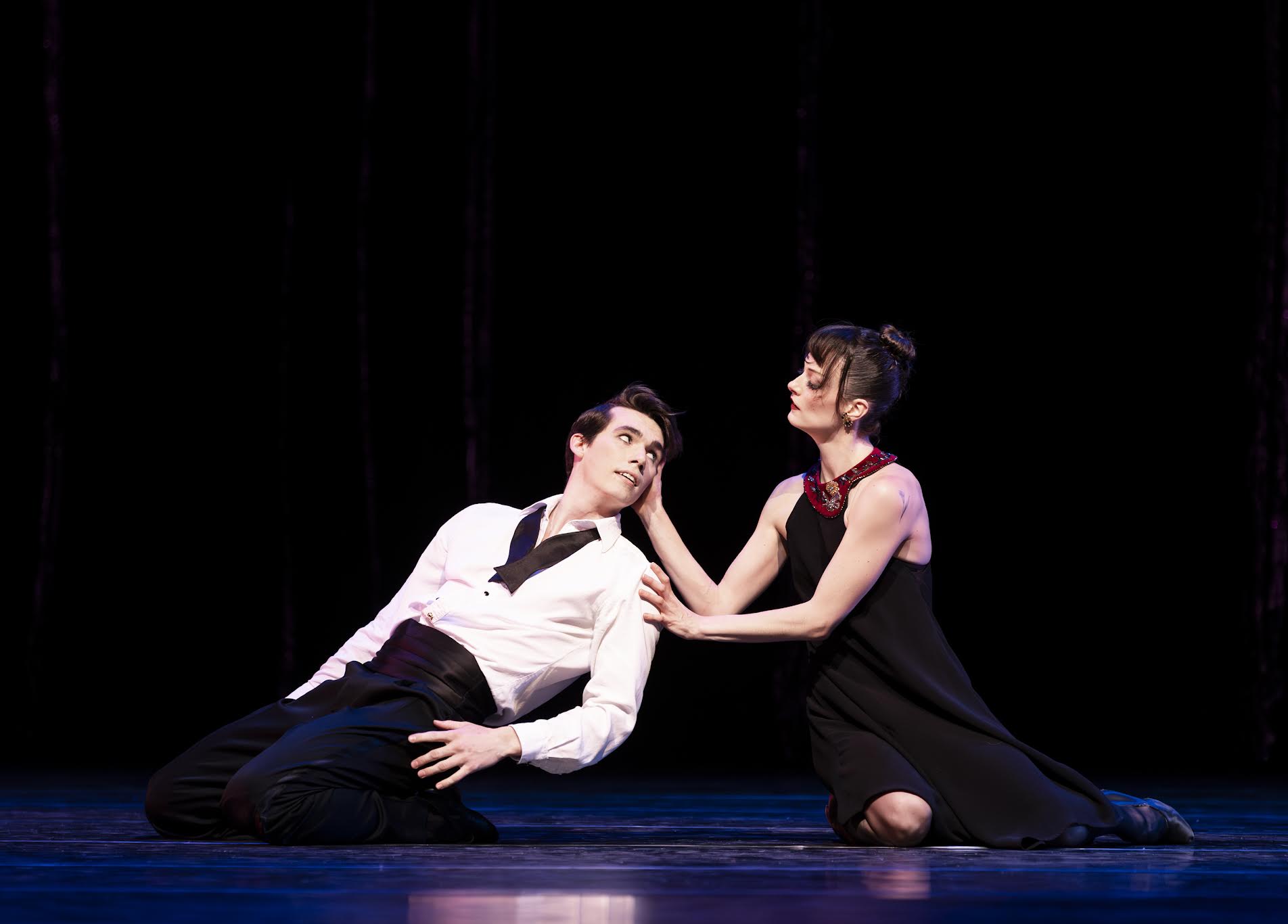
Speaking of world wars, after Cracks wrapped up, most of the crowd Benjamin-Buttoned into their high school selves as the company eased into Twyla Tharp’s Nine Sinatra Songs, which returned Generosa — now in a pair of pink pumps — to the stage along with principal Dylan Wald. The two served up a classy duet to “Softly As I Leave You” without breaking a sweat. A parade of ballet-infused ballroom dances followed, with several standouts. Soloist Madison Rayn Abeo moved with exacting command as she bossed around corps de ballet dancer Ryan Cardea in a hilarious and impressive bit of dancing to “Something’ Stupid.” And it’s hard to match the verve of corps de ballet dancer Juliet Prine spinning across the stage in a bright fuchsia flamenco dress, but corps de ballet dancer Noah Martzall proved himself up to the task in their rendition of “Forget Domani.” As it turns out, Sinatra’s little dramas of love lost, on the rocks, and just around the corner have some staying power, too. 

It’s all very good! Go watch it this week!

Think you can’t afford the ballet? WRONG. Go pay what you can this Thursday. For everyone else, go Friday, Saturday, or Sunday. Find tickets here

If you just can’t make it this weekend, buy tickets for Next Step on Friday, June 13. The show features original works from PNB dancers. You know, the future! 

PNB’s Roméo et Juliette Is in Good Hands 

Reviews
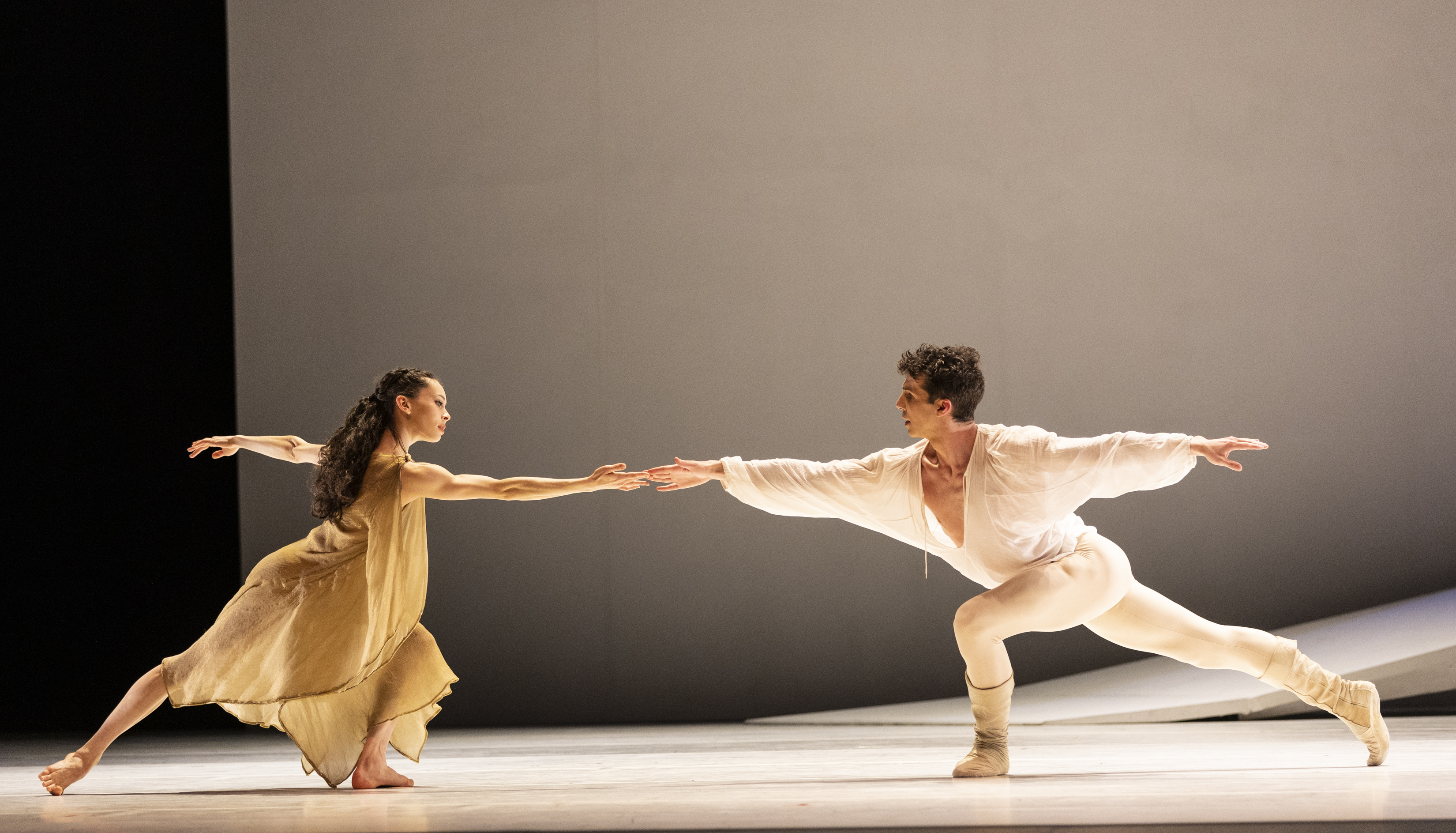
Soloist Clara Ruf Maldonado and principal Lucien Postlewaite, reaching out across the divide in their roles as Juliette and Roméo. Clean lines, people. We call these clean lines!! Photo: Angela Sterling

I’ve raved about Pacific Northwest Ballet’s production of Jean-Christophe Maillot’s Roméo et Juliette for years, but this year marked the first performance in quite a while without former PNB principal Noelani Pantastico tumbling across the stage in her signature role as a rambunctious, hopelessly romantic Juliette AND ALSO the first performance without former PNB principal James Yoichi Moore bouncing around the stage in his signature role as the bubbly and charming Roméo. Tough tights to fill. 

But my nerves settled knowing that PNB tapped Pantastico and her partner, the talented choreographer Bruno Roque, to stage the show. True to form, Pantastico’s and Roque’s direction maintained all the powers of the earlier performances — the bawdy humor, the cinematic storytelling, the endless pining, the screaming pain, and the way the ballet expresses its biggest ideas in its tiniest gestures — all while making room for the new crew of dancers to make the roles their own. 

Now THIS is some premium flouncing. (L-R Soloist Christian Poppe, Postlewaite, and Principal Kyle Davis) Photo: Angela Sterling

As a rule, I find story ballets boring—too much empty flouncing. But Maillot’s version of Shakespeare’s tale of woe, which runs at McCaw Hall through April 20, is the exception to that rule, especially in the hands of Pantastico and Roque. While many story ballets feature a lot of fluff and tutus parading for the king, this one gives us three well-structured acts layered with complexity. Act I introduces the players and commences with the fun and games. Act II sparks the romance and commences with the sex and fighting. Act III brings it on home and commences with the killings and tragedy. 

Maillot’s brilliant stagecraft shines through in a million ways. His use of textiles, for instance, subtly reinforces the theme of love as both poison and cure. On one hand, a piece of Rosaline’s dress sparks desire, The Nurse’s rag pulls Juliette onstage for the first time, and a satin sheet protects the lovers from the audience’s prying eyes. On the other hand, Roméo’s dropped jacket gives him away, a bloody rag seals Tybalt’s fate, and Juliette pulls a long, red sheet from her true love’s chest at the ballet’s tragic end. Moreover, Maillot’s focus on textiles cleverly references the “text” on which he bases the ballet—the two words, text and textile, share the Latin root meaning “woven.” Fitting, given that artists weave both stories and cloth. 

But of course, we see the stagers’ hands most readily in the quality of the performances, which were tremendous all around. 

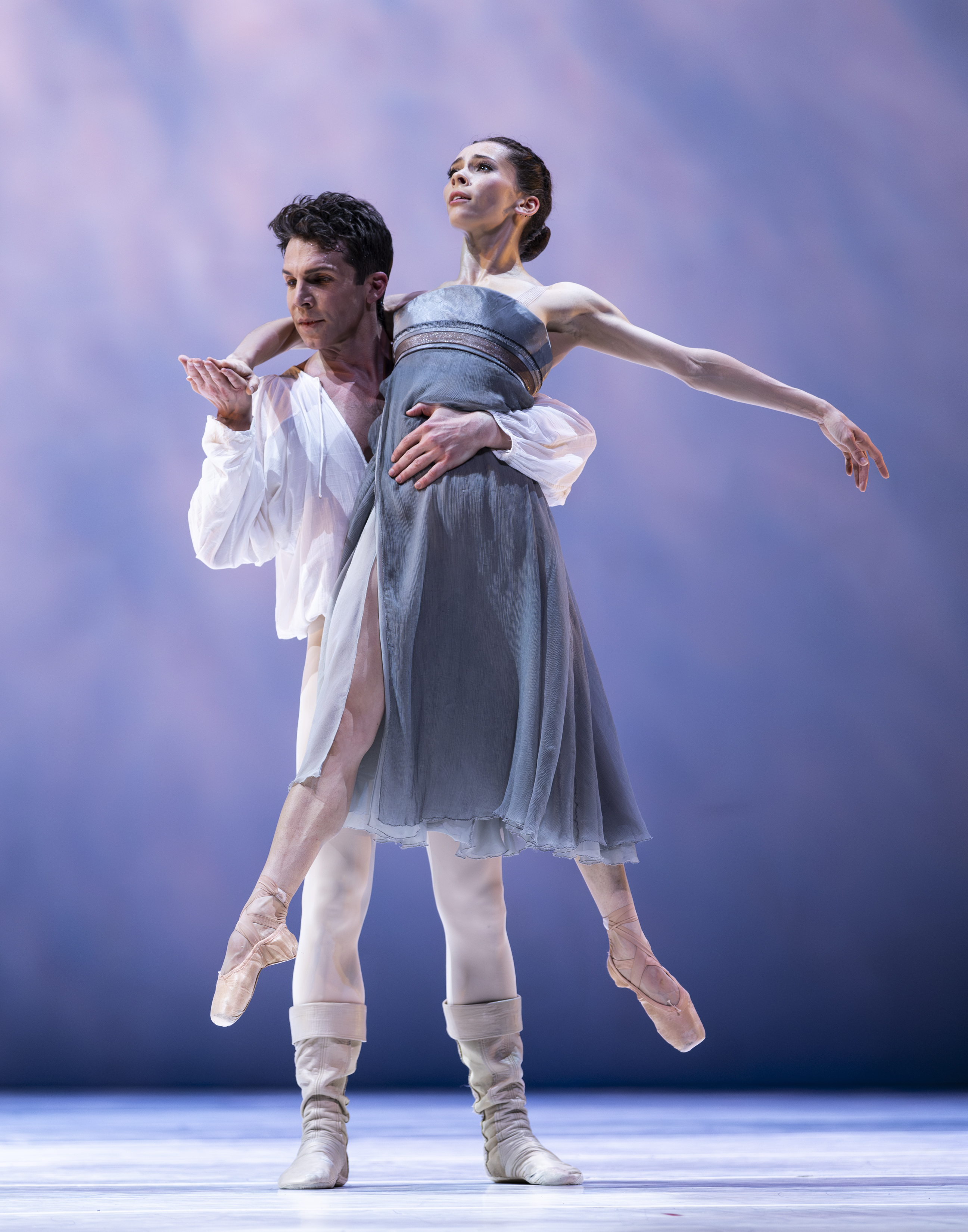
You ever just float off the ground due to the pure power of romance? Photo: Angela Sterling

Opening night reunited soloist Clara Ruf Maldonado and principal Lucien Postlewaite, who appeared to be still buzzing with the creative chemistry they developed in February’s production of Jerome Robbins’s Afternoon of a Faun. In that show, the young upstart and the veteran moved with one mind to Claude Debussy’s eponymous prelude, as if they were different fragments of the choreographer’s lackadaisically erotic, sylvan dream. 

Though Postlewaite has danced the role of Roméo with Pantastico about a million times over the years, on Friday his performance felt as fresh and as impassioned as ever. Somehow, that grown-ass, 40-year-old man can still believably transform into a lovestruck teenager panting with desire and overflowing with hormones. And yet, his skill and bearing brought a noticeable gravitas to the role. With his back against the wall on Juliette’s not-quite-yet-death-bed, he wept as if he’d known this love for ages, as if he’d lost it a thousand times. 

Maldonado picked up the torch—or, in this case, the blood-soaked sheet—from Pantastico and ran with it. Maldonado’s Juliette began the ballet all anxious knees and elbows, softened into a kind of puppy-dog love at the sight of Roméo, and projected a pain beyond her years by the end. And yet, throughout the show her technical prowess and general gumption conveyed the kind of strength and agency that Pantastico imbued into her version of the character. I can’t wait to see what Maldonado does with this tragic figure in what will very likely be a long and storied career. 

Soloist Christopher D’Ariano as Friar Laurence. His two acolytes complete the trio. Photo: Angela Sterling

Other opening night debuts include soloist Christopher D’Ariano as Friar Laurence. D’Ariano’s version of the character — the priest in black and white, the door to love and death — was appropriately grave and rigid, cutting sharp right angles through the air like a living crucifix. But he added more fluid movement that humanized his role a little more, deepening the tragedy. 

Principal dancer Elle Macy’s turn as Lady Capulet was magnetic as ever. Her slinky black dresses and her sinuous, powerful movements recalled a spider trapping her prey in a web. Despite her villain-coded character, she moved with grace and palpable grief at the death of her nephew, Tybalt, who was played with an exacting ruthlessness by principal Jonathan Batista.

Capulets, led by Principal Jonathan Batista as Tybalt, havin’ a little fun before the fall. Photo: Angela Sterling

Principal Kyle Davis also deserves a round of applause for his spirited and haughty Mercutio, and principal Sarah-Gabrielle Ryan had the crowd laughing with her comical (and deceptively difficult!) role as The Nurse. 

An ensemble piece like this one demands a strong, multi-talented company that can pair high-level technical ability with premium acting chops. With this crew, PNB yet again shows its more than up to the challenge. GO SEE IT.

And, as always: if you think the ballet is too expensive, then think again. You can pay what you can on Thursdays, and there isn’t a bad seat in the house.